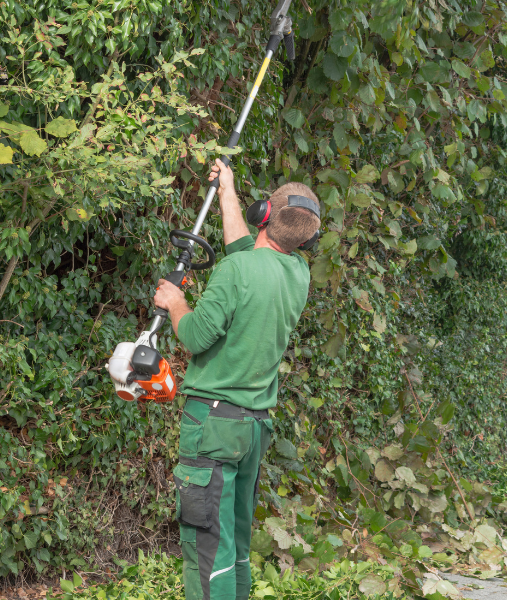
Trees are among the most valuable features in any landscape, offering beauty, shade, privacy, and environmental benefits. However, as trees mature, they can sometimes outgrow their surroundings or develop issues that require professional management. Crown reduction has become one of the most requested tree surgery services because it provides an effective way to manage tree size while preserving the health and appearance of the tree.
For homeowners in Sheppey, Kent, crown reduction offers a practical solution for maintaining safe, attractive, and well-balanced outdoor spaces. At Sheppey Tree Surgeons, we regularly carry out crown reduction work to help trees remain healthy and suitable for their environment.
What Is Crown Reduction?
Crown reduction is a specialist tree surgery technique that involves carefully reducing the overall height and spread of a tree’s canopy.
Unlike excessive cutting or topping, crown reduction is carried out in a controlled and professional manner that maintains the tree’s natural shape while reducing its overall size.
The Process Typically Involves
- Selective branch removal
- Reducing canopy size
- Maintaining structural balance
- Preserving the tree’s natural appearance
When performed correctly, crown reduction can deliver long-term benefits for both the tree and the property owner.
Helps Manage Excessive Tree Growth
One of the most common reasons homeowners request crown reduction is to control the size of mature trees.
Benefits Include
- Reduced canopy spread
- Better suitability for the surrounding space
- Improved garden balance
- Prevention of future overgrowth issues
This allows homeowners to enjoy the benefits of their trees without feeling overwhelmed by their size.
Improves Light Levels
Large tree canopies can significantly reduce the amount of natural light reaching gardens and properties.
Crown Reduction Can Help By
- Allowing more sunlight into the garden
- Improving light penetration to lawns and flower beds
- Brightening outdoor seating areas
- Increasing natural light entering windows
This is particularly beneficial where trees have become dense over time.
Reduces Pressure on Branches
As trees grow larger, branches become heavier and may place greater stress on the overall structure.
Advantages of Crown Reduction
- Reduced branch weight
- Lower stress on limbs
- Improved structural balance
- Better resistance to adverse weather conditions
This can help minimise the risk of branch failure in the future.
Enhances Safety
Safety is one of the primary reasons homeowners seek professional tree surgery.
Crown Reduction Can Help Address
- Overhanging branches
- Trees near buildings
- Branches close to pathways
- Limbs extending over gardens and driveways
Reducing the canopy can lower potential risks while retaining the tree itself.
Improves Tree Appearance
A professionally reduced crown can significantly enhance the visual appeal of a tree.
Visual Benefits Include
- Improved symmetry
- Better overall shape
- Enhanced landscape appearance
- A more balanced relationship with surrounding features
Well-maintained trees often become stronger focal points within the garden.
Supports Long-Term Tree Health
Crown reduction is not solely about managing size. It can also contribute to the long-term wellbeing of the tree.
Potential Health Benefits
- Removal of weak growth
- Improved canopy structure
- Better airflow through the crown
- Reduced strain on certain branches
Professional pruning encourages healthy and sustainable growth patterns.
Protects Nearby Structures
As trees mature, they can begin interacting with surrounding buildings and features.
Common Concerns Include
- Branches approaching roofs
- Contact with gutters
- Encroachment near windows
- Reduced clearance around structures
Crown reduction can help maintain safe distances while preserving the tree.
A Preferred Alternative to Tree Removal
Many homeowners wish to keep their trees whenever possible.
Crown Reduction Offers
- Retention of mature trees
- Preservation of garden character
- Continued environmental benefits
- Reduced need for more drastic action
In many situations, crown reduction provides an effective compromise between preservation and practicality.
Why Professional Crown Reduction Matters
Crown reduction requires a thorough understanding of tree biology, growth patterns, and structural balance. Poorly executed work can damage the tree, encourage weak regrowth, or negatively affect its appearance.
At Sheppey Tree Surgeons, we provide professional crown reduction services throughout Sheppey, Kent. Our experienced team carefully manages each tree to ensure the best possible outcome for both the tree and the surrounding landscape.
Conclusion
Crown reduction is one of the most requested tree surgery services because it offers an effective way to manage tree size, improve safety, increase light levels, and preserve the health and appearance of mature trees. It allows homeowners to enjoy the benefits of their trees while preventing them from becoming difficult to manage.
For property owners in Sheppey, Kent, professional crown reduction can help maintain attractive, healthy trees that continue to enhance the garden for years to come. If one of your trees has become too large or is beginning to affect your property, Sheppey Tree Surgeons can provide expert advice and professional tree surgery solutions tailored to your needs.
Call us on: 01795 718 597
Click here to find out more about Sheppey Tree Surgeons
Click here to complete our contact form and see how we can help with your tree needs.