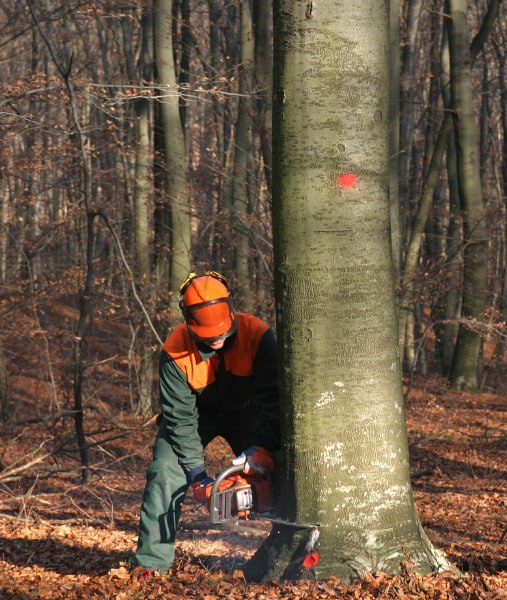
Trees can be a valuable part of a garden or outdoor space, providing shade, shelter and visual appeal. However, there are situations where a tree becomes unsuitable for its location or its condition deteriorates to the point where removal may be necessary.
Knowing the signs that could indicate a tree needs to be felled can help property owners in Sheppey, Kent make informed decisions about tree care. Tree felling should generally be considered only when other suitable options cannot adequately address the problem.
Signs That a Tree May Need Felling
A number of visible changes can indicate that a tree requires closer professional assessment. These signs do not automatically mean that removal is necessary, but they can highlight potential concerns that should not be ignored.
Significant Structural Damage
Large cracks, broken branches, damaged stems or major areas of decay can affect a tree’s structural stability. Damage may develop gradually or occur following strong winds and severe weather.
If a substantial part of the tree has been compromised, professional assessment can determine whether appropriate pruning or other tree surgery could address the problem or whether felling should be considered.
Extensive Decay or Disease
Decay can weaken the internal structure of a tree, sometimes without being immediately obvious from the outside. Fungal growth, cavities, dead sections and extensive areas of deteriorating wood can be warning signs.
Not every tree affected by disease or decay needs to be removed. However, where deterioration is extensive and the tree can no longer be managed safely, felling may become the most appropriate option.
A Tree That Is Dead or Dying
A dead tree no longer provides the same structural strength as a healthy tree and can gradually become more vulnerable to branch failure and deterioration.
Signs of decline can include extensive dead branches, a lack of healthy foliage during the appropriate growing season, damaged bark and visible decay. A professional inspection can help establish whether the tree is genuinely dead, declining or capable of being retained through appropriate management.
Severe Leaning or Root Problems
A noticeable change in a tree’s position can sometimes indicate an underlying problem. A newly developed or worsening lean may be associated with root damage, unstable ground or structural weakness.
Root problems can also affect the tree’s ability to remain securely anchored. Exposed, damaged or significantly deteriorated roots should be assessed by a qualified tree professional rather than ignored.
The Tree Has Outgrown Its Location
Sometimes a tree may become unsuitable simply because of its position and growth over time. Large branches may begin to interfere with buildings, access areas or other parts of a property.
Pruning or crown reduction may provide a suitable solution in some circumstances. If the tree cannot be safely managed through ongoing maintenance, removal may need to be considered.
Repeated Storm Damage
Trees that have suffered repeated structural damage during severe weather may require closer assessment. Broken limbs, split branches and damaged stems can leave lasting weaknesses that affect future growth.
After significant storm damage, a professional tree surgeon can inspect the tree and determine whether it can be safely retained. Where structural damage is too extensive to manage effectively, felling may be recommended.
Why Professional Assessment Matters
Tree felling is a significant form of tree surgery and should not be based solely on one visible symptom. A tree that appears damaged may still be capable of being managed through pruning or other appropriate work.
An assessment should consider the tree’s overall condition, structural stability, location and surrounding environment. This helps ensure that removal is considered only where it is genuinely appropriate.
Property owners in Sheppey should also avoid attempting to fell large or unstable trees themselves. Professional equipment, planning and experience are important when dealing with substantial trees and confined spaces.
Professional Tree Felling in Sheppey
Sheppey Tree Surgeons provides professional tree surgery services for properties in Sheppey, Kent. If you are concerned about a dead, damaged, unstable or severely declining tree, a professional assessment can help establish the most suitable course of action.
If you believe a tree on your property may need to be felled, contact Sheppey Tree Surgeons to discuss the tree and arrange an appropriate assessment.
Conclusion
Tree felling may be necessary when a tree has extensive structural damage, severe decay, significant root problems, has died or can no longer be safely managed in its current location. However, removal is not always the only solution, which is why professional assessment is important.
For property owners in Sheppey, recognising warning signs early can help ensure trees are managed appropriately. Where felling is considered necessary, careful professional work can help remove the tree safely while addressing the needs of the surrounding property.
Call us on: 01795 718 597
Click here to find out more about Sheppey Tree Surgeons
Click here to complete our contact form and see how we can help with your tree needs.