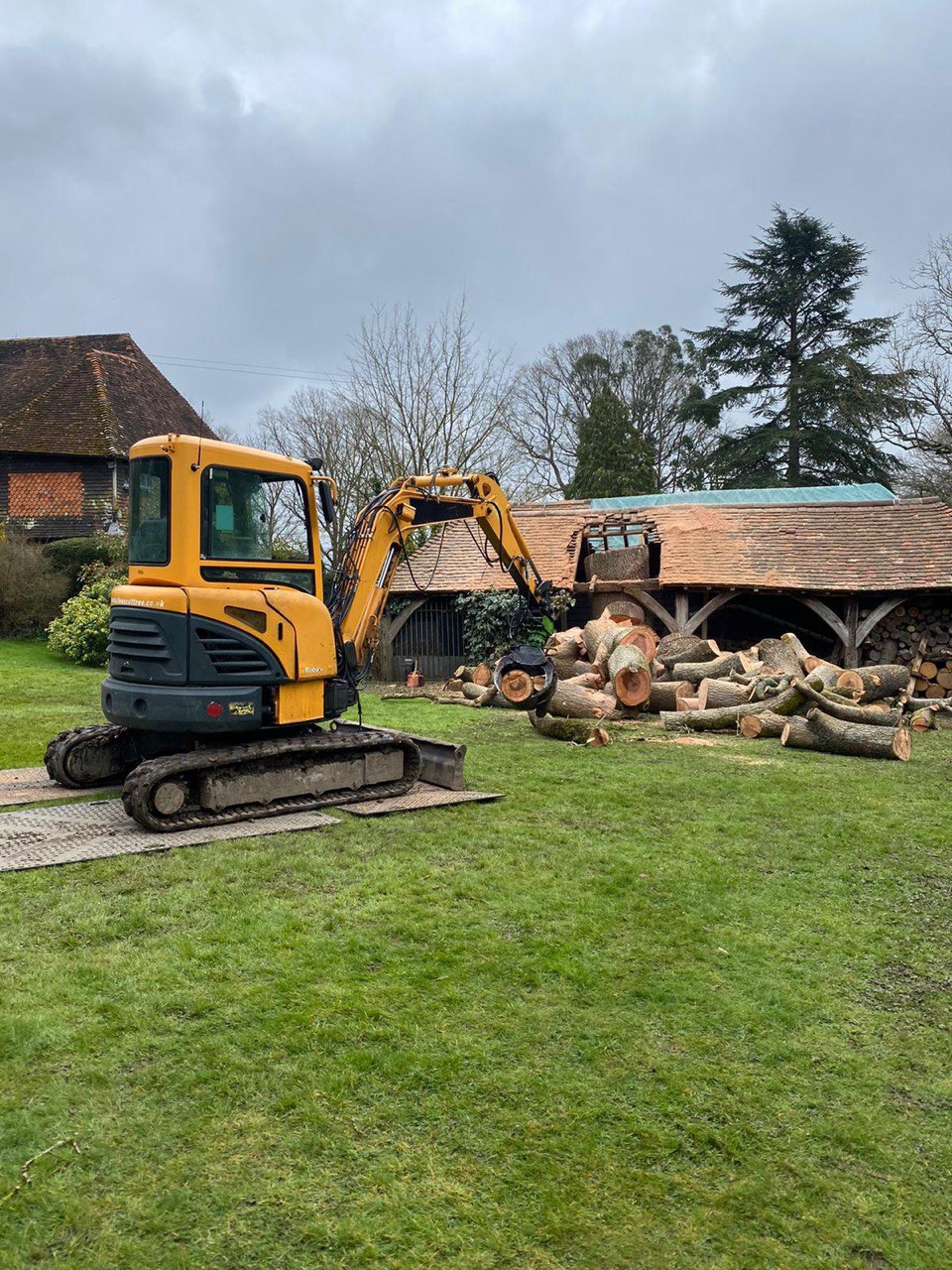
Many garden issues are often traced back to one overlooked factor—trees that have grown beyond their intended space. While trees add structure and character, unmanaged growth can create challenges that affect both the usability and appearance of your outdoor area. In Sheppey, Kent, where gardens are an important part of the home, professional tree surgery can play a key role in resolving these problems.
At Sheppey Tree Surgeons, we regularly help homeowners improve their outdoor spaces by addressing the underlying causes linked to tree growth and condition.
Common Garden Problems Caused by Trees
Trees can influence a garden in several ways, particularly as they mature and expand.
Overgrown canopies may block natural light, leaving areas of the garden shaded and less suitable for planting or outdoor use. Dense growth can also restrict airflow, creating damp conditions that affect lawns, patios, and surrounding plants.
In some cases, branches may extend too far, encroaching on buildings, fences, or pathways. This can limit access and make the space more difficult to manage.
Understanding these issues is the first step in determining how tree surgery can help.
Improving Light and Space
One of the most noticeable benefits of tree surgery is the improvement of light within the garden. Techniques such as crown thinning or reduction allow more sunlight to pass through the canopy.
This creates a brighter and more open environment, making the space more usable for everyday activities. Increased light can also support healthier growth for plants and grass.
For gardens in Sheppey, Kent, this can make a significant difference to how the space is experienced.
Managing Overgrowth and Structure
Trees that are left unmanaged can become unbalanced or grow in directions that are not suitable for their surroundings. This can affect both the appearance and safety of the garden.
Tree surgery helps reshape and control growth, ensuring that the tree remains proportionate to its environment. By removing or reducing specific branches, it is possible to create a more organised and visually appealing space.
This approach also helps prevent future issues caused by excessive growth.
Reducing Safety Risks
Overgrown or damaged trees can present risks, particularly if branches become weak or unstable. Falling limbs or obstructed pathways can make parts of the garden unsafe.
Professional tree surgery identifies and removes these risks, creating a safer outdoor environment. This is especially important for families or properties where the garden is used regularly.
Preventing Damage to Property
Trees growing too close to structures can cause practical problems over time. Branches may come into contact with roofs, windows, or fences, while dense growth can trap moisture against surfaces.
By carefully managing the size and spread of the tree, tree surgery helps prevent these issues and protects the condition of your property.
Supporting Tree Health
Tree surgery is not only about improving the garden—it also benefits the tree itself. Removing dead or diseased branches and improving airflow helps maintain the health and stability of the tree.
A healthier tree is less likely to develop problems that could affect both the tree and the surrounding area.
At Sheppey Tree Surgeons, we focus on achieving a balance between improving the garden and preserving the natural health of the tree.
When Tree Surgery May Not Be the Only Solution
While tree surgery can resolve many garden issues, it is not always the sole answer. In some cases, landscaping or additional garden work may be required alongside tree care.
A professional assessment helps determine the most effective approach, ensuring that any work carried out addresses the root of the problem.
Conclusion
Tree surgery can be a highly effective way to solve common garden problems, from improving light and space to reducing safety risks and preventing structural issues. By managing growth and maintaining tree health, it helps create a more practical and enjoyable outdoor environment.
For homeowners in Sheppey, Kent, Sheppey Tree Surgeons provides professional services tailored to your garden’s needs. If your outdoor space is being affected by overgrown or problematic trees, a well-planned tree surgery solution can help restore balance and improve the overall usability of your garden.
Call us on: 01795 718 597
Click here to find out more about Sheppey Tree Surgeons
Click here to complete our contact form and see how we can help with your tree needs.